



Mountain Medicine: Key Takeaways from the 2026 World Congress
Spearheading new high-altitude and medical guidance
One of the UIAA Medical Commission’s most advanced projects focuses on the question: How safe is it for children to travel and spend time at altitude? During its annual meeting in Hathersage, the Commission reviewed progress on an update of its Children at Altitude recommendations, originally published in 2008. The working group has completed its evidence reviews and developed structured recommendations based on a systematic review of the available research. Final recommendations, together with a summary aimed at non-specialists, are now being prepared.
Children at Altitude
Every year, thousands of children travel safely to high-altitude destinations. Yet surprisingly little is known about how altitude affects children, and much of the existing advice is still based on data from adults. Current knowledge suggests that children are generally no more restricted by acute altitude exposure than adults. However, young children often struggle to communicate symptoms such as cold, fatigue or altitude-related discomfort. Parents should therefore ensure that a trip is tailored to a child’s interests, abilities and needs. The UIAA Medical Commission has published recommendations to help mountaineers and physicians make informed decisions about children at altitude.
Another topic gaining increasing attention is the growing number of older people remaining active in the mountains. To address this, the Commission is currently working on two complementary Older Mountaineers projects: a scientific scoping review and a practical FAQ resource. The review examines topics such as acclimatisation, altitude illness, safe movement in exposed terrain and environmental factors affecting older climbers and mountaineers. Meanwhile, the FAQ document is nearing publication following extensive feedback and discussion during the Hathersage working sessions and is expected to be released in summer 2026.
Communicating science beyond the academic world
Scientific recommendations are only useful if they reach the people they are intended to help. During discussions in Hathersage, members of the UIAA Medical Commission acknowledged that scientific papers alone are often not enough to engage recreational climbers and mountaineers. Among the ideas discussed were more FAQs, videos and lay summaries based on scientific publications. The possibility of securing open-access publishing rights for future work also remains under consideration. Collaboration with organisations such as the International Society for Mountain Medicine (ISMM) was identified as an important element of future projects. The UIAA Communications team was also onsite in Hathersage, working on content aimed at making upcoming publications more accessible to a broader audience.
Another topic on the agenda was a presentation from Climbers Against Cancer (CAC) and the organisation’s future collaboration with MedCom. Following the discussion, the Commission agreed to support CAC through increased awareness and visibility.
The meeting also marked the introduction of Benoit Champigneulle (FFCAM, France) as the new Vice President of the UIAA Medical Commission. Attention also turned to the next International Mountain Safety Symposium, which is planned for Nepal. Following previous editions in Argentina and Kosovo, the event will once again bring together the UIAA Medical, Safety and Youth Commissions, with a particular focus on mountain safety education and youth participation.
MedCom role during World Congress on Mountain Medicine
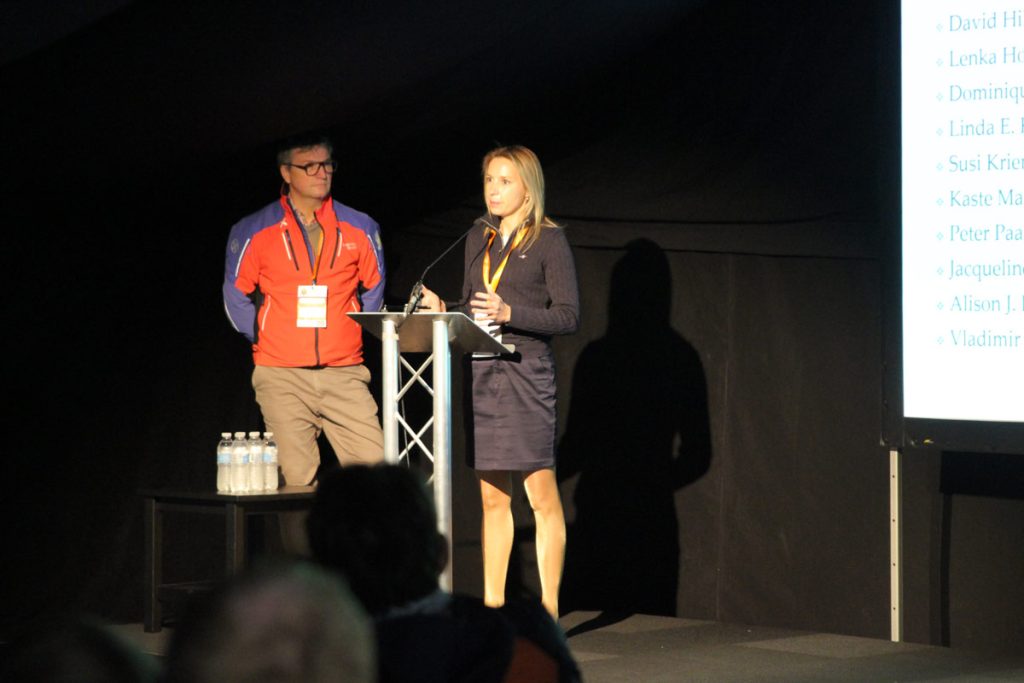
As a partner of the World Congress on Mountain Medicine, the UIAA Medical Commission contributed a series of presentations and workshops on topics ranging from high-altitude medicine and climbing injuries to climate change and equipment safety. Under the leadership of Commission President Urs Hefti (SAC, Switzerland), the programme brought together international experts from across the field.
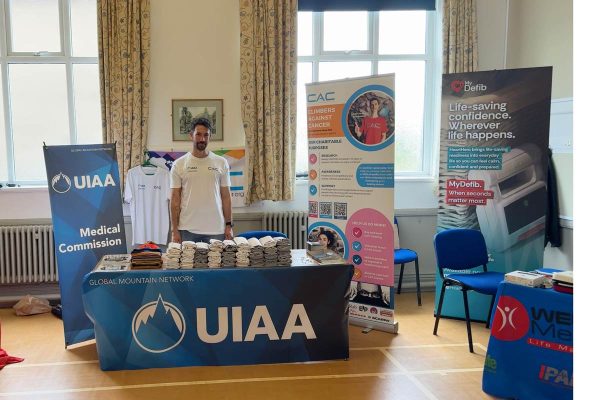
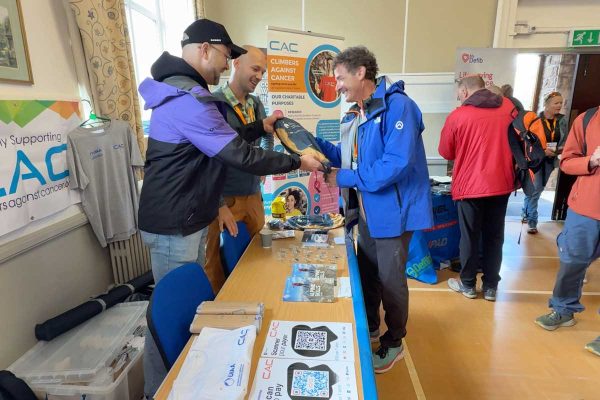
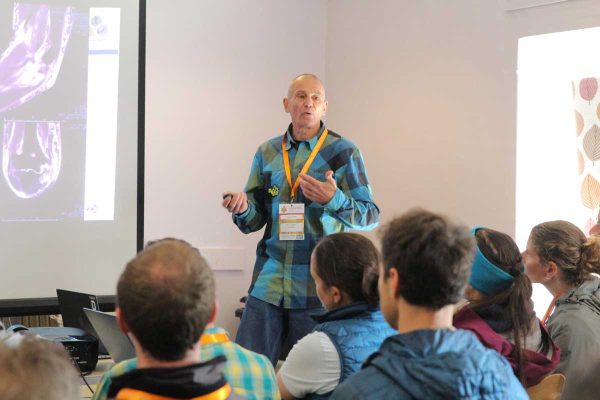
The UIAA-led components were
UIAA Safety Label: Safer gear through global standards
More than 60 years after its introduction, the UIAA Safety Label continues to shape climbing equipment around the world. In his workshop, Nick Galpin (UIAA SafeCom/British Mountaineering Council) explained how standardised testing helps improve equipment safety and why international standards remain essential for reducing risk in the mountains. He also explored how manufacturers are responding to climate change through material choices as well as recycling and reuse initiatives.
Climbing injuries: From taping to ultrasound
Across two workshop sessions, Andreas Schweizer, Volker Schöffel and Tim Halsey explored how climbing injuries can be assessed and treated in the field, from taping and splinting to ultrasound and modern clinical examination techniques. Alongside practical demonstrations, participants discussed injury patterns, severity and the particular challenges of providing medical care in remote mountain environments, with a special focus on hand injuries.
Argentina: Lessons from high-altitude medicine
Building on the legacy of the 2024 UIAA Mountain Sports Symposium in Bariloche, Miguel Lotfi (FASA, Argentina), Juan Manuel Funk (FASA, Argentina) and Urs Hefti presented four case studies from Aconcagua. The session explored safety, rescue and medical care on South America’s highest mountain, highlighting how close collaboration between park authorities, guides and healthcare professionals has improved expedition safety. Discussions also looked at the challenges of delivering mountain medicine in remote regions worldwide.
Altitude illness remains one of the key medical challenges on high mountains such as Aconcagua. In this video, the UIAA Medical Commission explains how to recognise, prevent and treat the most common altitude-related illnesses, including AMS, HAPE and HACE.
Women in the mountains: Closing the knowledge gap
Following the publication of new resources for female climbers and mountaineers in 2025, speakers Lenka Horakova (CMF, Czech Republic) and Linda Keyes (United States) explored topics ranging from hormonal contraception and high-altitude physiology to persistent myths about women in the mountains. Volker Schöffl also addressed Relative Energy Deficiency in Sport (REDs) and low body weight, underlining the importance of long-term athlete health. The session highlighted the need for mountain medicine research that better reflects women.
How does the female body respond to altitude? From hormonal contraception and the menstrual cycle to pregnancy and high-altitude illness, the UIAA Medical Commission has summarised the latest scientific evidence in a practical FAQ for female climbers and mountaineers. Read the full recommendations here: Women’s high-altitude health FAQ

The Dark Side of Climbing
For climbers, being lightweight is a key factor on the path to success. But the pursuit of lightness can eventually become an addiction. A look at a serious problem: eating disorders in the sport of climbing.
Read the full article
The warming mountains: New challenges for mountain safety
From rockfall and melting permafrost to climbing equipment and expedition planning, several sessions explored how climate change is reshaping the mountains. Jo Bradwell (University of Birmingham) examined ways to reduce the carbon footprint of mountain activities, while UIAA SafeCom member Nick Galpin discussed the impact of climate change on climbing equipment and bolts. Experts from the Swiss Society of Mountain Medicine (SGGM) also highlighted the growing risks of rock- and icefall as glaciers retreat, underlining the need for adaptation across the mountain community.
Children at altitude: Updating the evidence
Ahead of the revised Children at Altitude recommendations, authors Susi Kriemler (Switzerland), Matthias Hilty (SAC, Switzerland) and Deborah Miller (BMMS, UK) presented the latest research on children in the mountains. The session covered altitude physiology, high-altitude illness, environmental risks such as cold and dehydration, and the effects of climbing on growth and development, reflecting the increasing popularity of family mountaineering.
Information related to the release of the MedCom papers on Children and Older Mountaineers will be communicated in due course. A wealth of video content related to medical advice will be published on the UIAA’s social media platforms throughout the next twelve months.